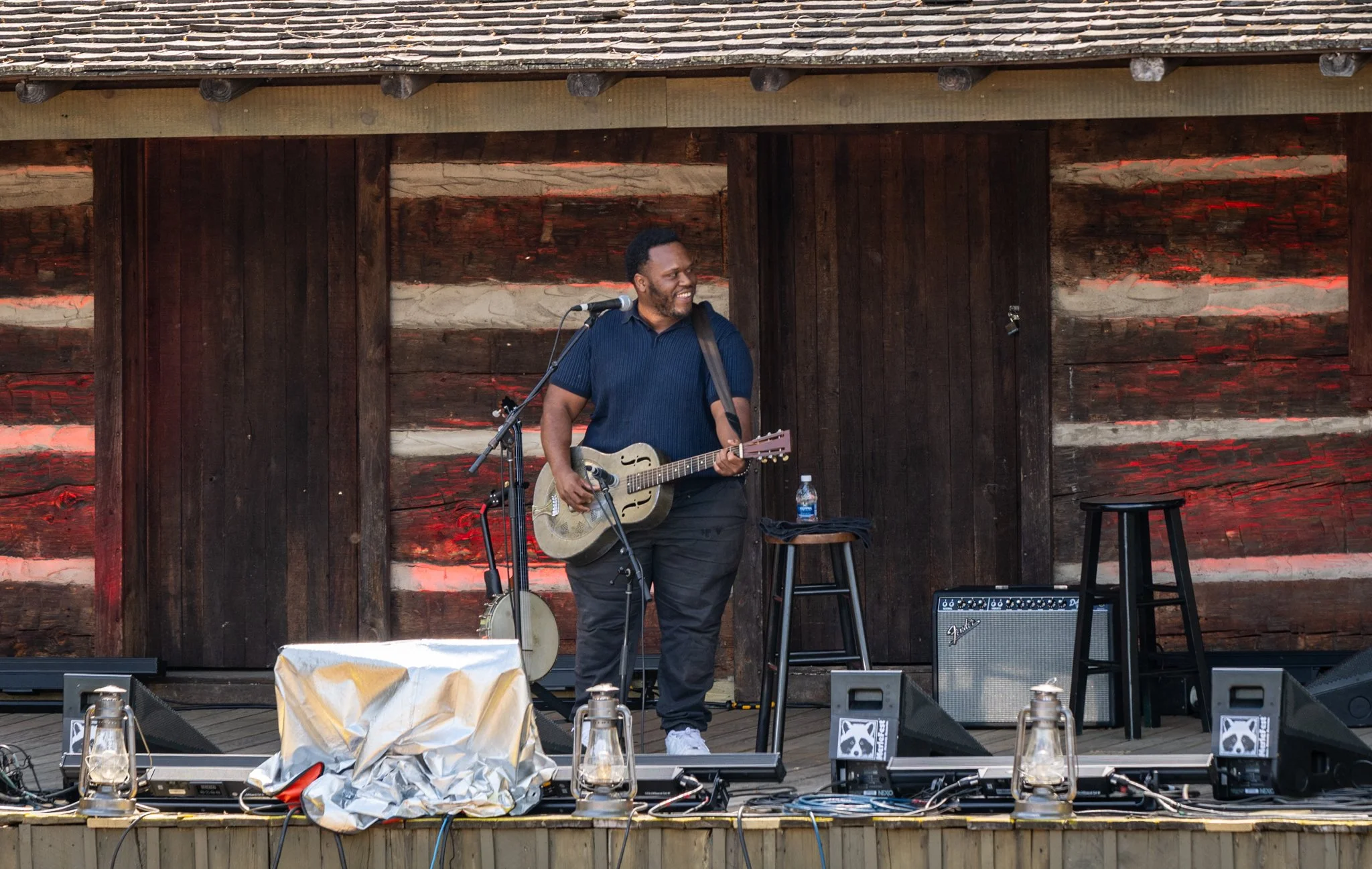
Piedmont Blues and the Fine Line of Gospel With Jontavious Willis

Don’t let the straightforward, down-to-earth aesthetic of Jontavious Willis’ music lead you to think that there is little complexity or depth to his art. Indeed, Willis exemplifies making something that isn’t really easy at all seem like a stroll down a country road in his native Georgia hill country. He is also well versed in the history and dynamics of his style of blues. From a recent post on his social media, for example, he said:

Ethnomusicologist Pete Lowry coined the term "Piedmont Blues" in the 1960s to describe a certain type of fingerpicking. But in my opinion, many of the titles are flawed. John Hurt and Hacksaw Harney, for example, were from the Delta. Even though they were great fingerpickers, they weren’t from the Piedmont region. Conversely, Barbecue Bob and Kokomo Arnold were from the Piedmont region of Georgia, and most of their styles could be associated with Delta blues. These terms are cool guidelines, but they aren’t concrete. I’m a Piedmont player because that’s where I’m from—the Piedmont region of Georgia.

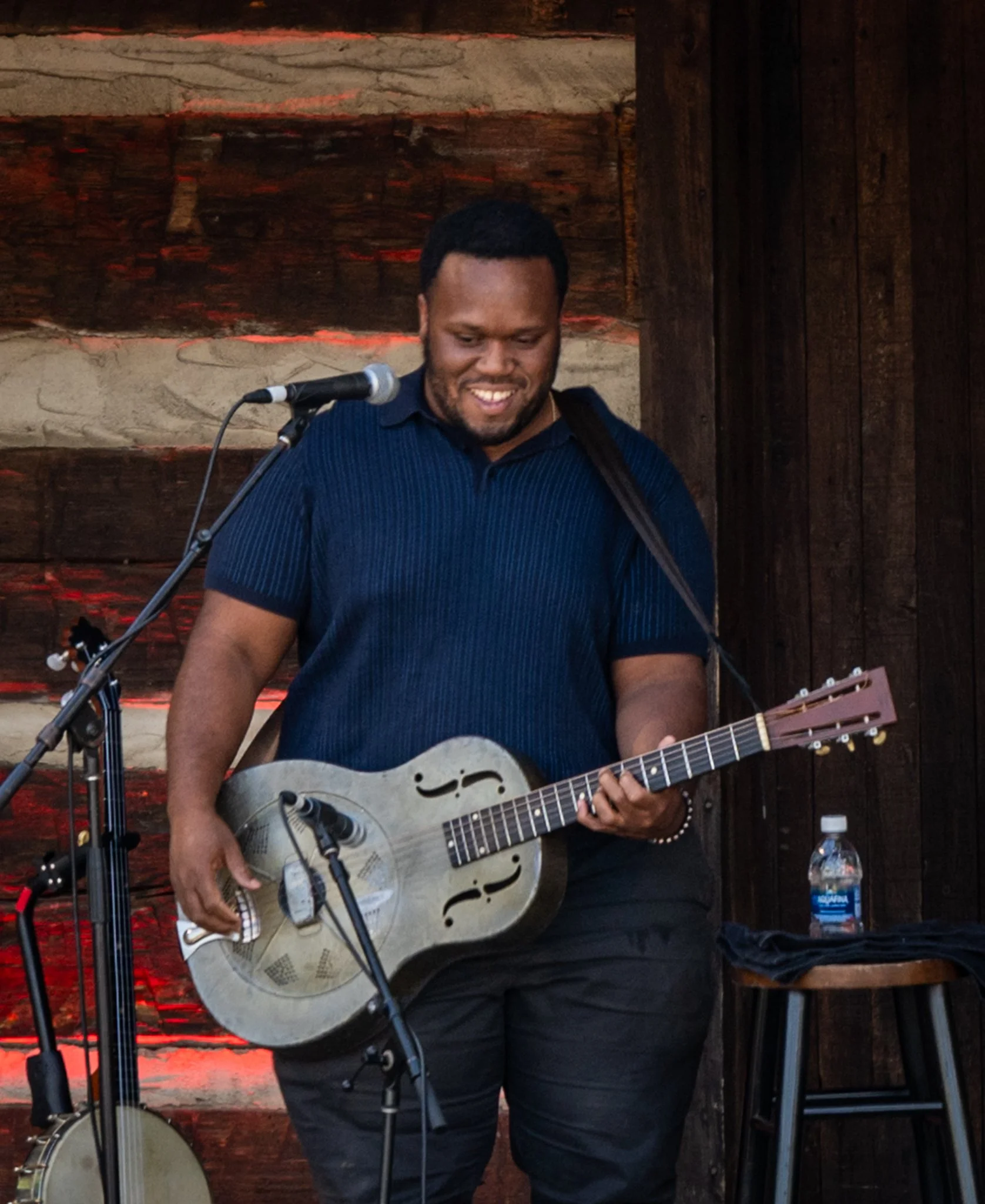
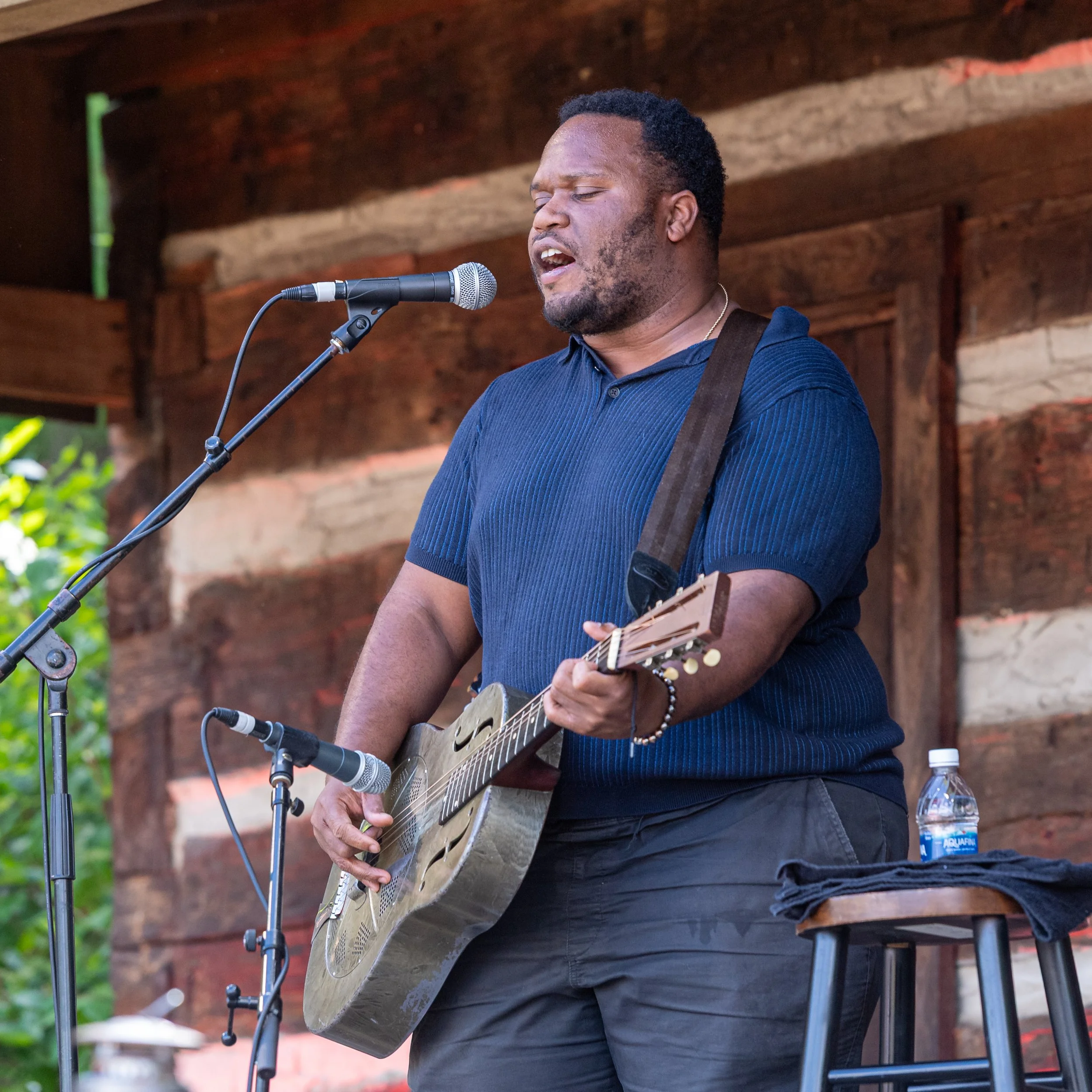
I spoke with Jontavious Willis at MerleFest in Wilkesboro, NC in late April, 2026, where he performed solo, and also guested with Peter Wernick on his set. We talked about his style of blues and how it intersects with other genres, like bluegrass. We also talk about his relationship to the music of Doc Watson, the importance of connecting with his fans and how young musicians are keeping the blues alive and well. Willis’ latest album is West Georgia Blues, and we sample songs from that collection in this episode, as well as music from Doc Watson and Taj Mahal.
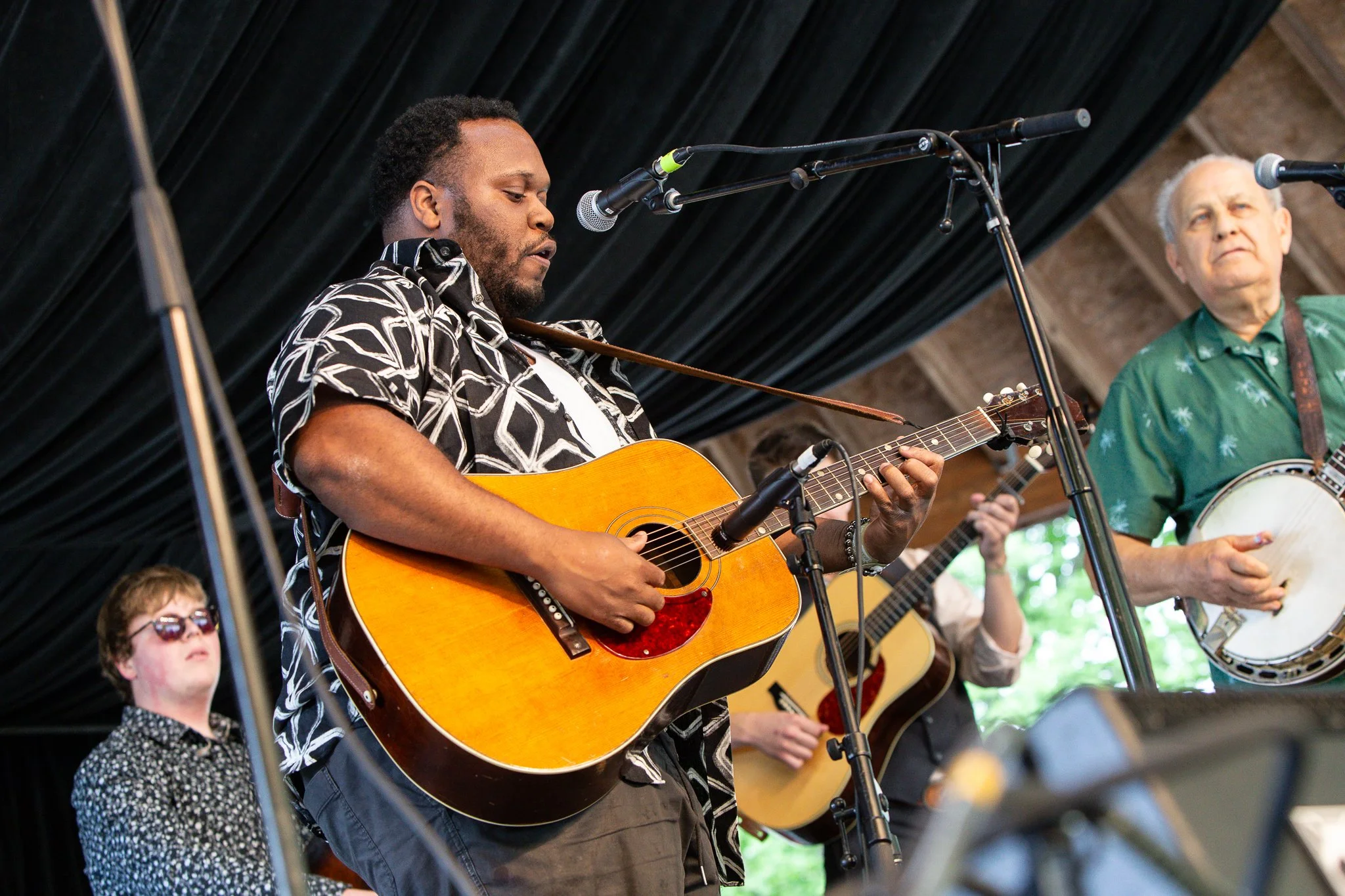
Piedmont Blues and the Fine Line of Gospel With Jontavious Willis
Joe K

Songs heard in this episode:

“West Georgia Blues” by Jontavious Willis, from West Georgia Blues

“Country Blues” by Doc Watson, from Doc Watson, excerpt

“Goin’ Up To the Country, Paint My Mailbox Blue” by Taj Mahal, from The Natch’l Blues, excerpt

“Keep Your Worries on the Dance Floor” by Jontavious Willis, from West Georgia Blues

This is where I thank you for taking this musical journey with us and ask you to follow this series wherever you listen to podcasts, and to connect with us on social media, and Substack. This episode is no different, but one thing that is about to change is the future direction of Southern Songs and Stories. This is the third in a series of four interviews from artists at this year’s MerleFest, and next up is Ketch Secor of Old Crow Medicine Show. Beyond that, I am debating on what to do with the podcast. I hope to keep it going, maybe in a different format, but the current chapter of the series is soon coming to a close. There have been some big life changes for me recently which make me realize that I simply won’t be able to spend all the time I devote to this series as you’re hearing it now. But rest assured that I am not leaving music and podcasts and writing and will come to the next chapter of this story before long. In the meantime, there are close to 200 episodes in the series that you can still enjoy, for free, wherever you listen to podcasts, as well as that conversation with Ketch up next. Ketch is never not entertaining, so it’s sure to be worth your time. - Joe Kendrick

When Praise and Worship Is Also a Really Good Time: Trombone Shout Bands

Hymns and gospel songs have flowed into, and very often, back out of out of every style of music with roots in the American South. From the music itself to its context in worship through choirs, instruments ranging from piano to organ to praise bands, and communal singing, the gospel tradition is, if not front and center in one’s life experience, then at the very least somewhere along the spectrum of influence for everyone native to the region. We touch on this often in episodes of Southern Songs and Stories, with guest artists who lean heavily on the gospel tradition (like The War & Treaty and Darin and Brooke Aldridge), and others who were brought up in church settings and whose music is often informed by gospel music (like Paul Thorn). Gospel music has tremendous depth and width, and here, we focus on one of its many branches, a little known tradition thriving in places like Washington D.C. and Charlotte, NC: the trombone shout band.

According to historian Tom Hanchett, no one seems to know when the trombone shout band tradition began. In the Pentecostal Holiness churches such as the House of Prayer For All People, which is central to our story here, brass bands go back at least a century, but in the early twentieth century, featured a full range of instruments rather than massed trombones. It was a time when brass band music was big everywhere in America, among blacks and whites alike. The House of Prayer took the praise band template and transformed it, with a new and unique instrumental configuration and style, around the 1940s. The history gets murky as to exactly where this happened and who gets credit, but by 1960, trombone shout bands had become synonymous with the United House of Prayer for All People.

Trombone shout band at the United House of Prayer For All People, Charlotte NC (photo: Daniel Coston)

Fast forward to 2024, when Henry Louis Gates Jr. became the face of the PBS documentary series, Gospel. In a series of events described in this episode, the impact of that series reverberated throughout the public television and radio world, eventually making its way to public radio station WNCW. From there, host and producer Kevin Washington and I produced a radio special on gospel music in this region of North and South Carolina especially; I would then, reluctantly at first, go on to help produce a live event at the Earl Scruggs Center in Shelby, NC that showcased and delved into even more of the region’s gospel music past and present. That event led to my discovery of trombone shout bands, courtesy of Tom Hanchett. From there, it was only a hop, skip and a jump over to producing this podcast. I think you will enjoy finding out about where we landed.

When Praise and Worship Is Also a Really Good Time: Trombone Shout Bands
Joe Kendrick/Osiris Media/WNCW

Songs heard in this episode:

Cunningham Spiritual Return, live at The United House Of Prayer in Charlotte, 04/09/24, excerpt

“He’s Still Alive” by Golden Angels Choir, live at The United House Of Prayer in Charlotte, 04/09/24, excerpt

“Keep Oil In Your Vessels” by Clouds of Heaven, from Saint’s Paradise: Trombone Shout Bands from The United House of Prayer, excerpt

“Spiritual Conversation” by Clouds of Heaven, from Saint’s Paradise: Trombone Shout Bands from The United House of Prayer

I hope you enjoy your time here, and that you will follow this series on your podcast platform of choice, and also give it a rating and a review. When you take a moment to give great ratings and reviews, Southern Songs and Stories and the artists it profiles become much more visible on those platforms to more music, history and culture fans just like you. You can find us on Apple here, and Spotify here. This series is a part of the lineup of both public radio WNCW and Osiris Media, with all of the Osiris shows available here. You can also hear new episodes on Bluegrass Planet Radio here. Thanks also to Corrie Askew for producing the radio adaptations of this series on WNCW, where we worked with Joshua Meng, who wrote and performed our theme songs — you can link to his music here. Thanks for listening! - Joe Kendrick